Lot Spruce investment insight
Public Land vs. Farmland: Why Land-Use Decisions Matter for Hunters, Communities, and Open Space
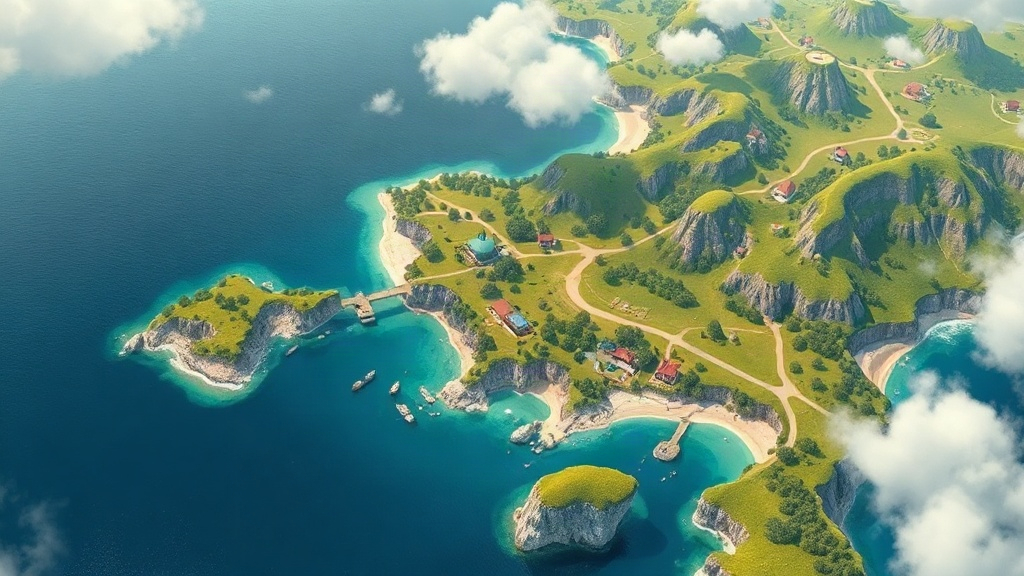
Land is one of those subjects that touches nearly everyone, whether they realize it or not. It feeds us, shelters us, and gives us places to hunt, hike, and unwind. It is also finite. This week's headlines show two very different sides of the same story: a hunter who spent years pursuing one trophy buck on public ground, and a Pennsylvania township that voted to rezone agricultural land for a new three-story hotel.
Why Public Land Still Matters
Outdoor Life recently told the story of a Virginia hunter who chased the same massive buck on public land for four seasons. What makes the story resonate isn't only the size of the deer. It's the reminder that public land gives ordinary people access to wild places without needing a private lease or a large bank account.
That access is easy to take for granted. National forests, state wildlife management areas, and other public parcels support hunting, fishing, camping, birdwatching, and trail use. They also protect watersheds, shelter wildlife corridors, and give rural communities a steady stream of visitors. For hunters in particular, public tracts often mean hard work: scouting in the off-season, learning terrain, reading pressure patterns, and showing up again after a failed season. The rewards are earned, not purchased.
Stories like this also highlight a growing truth. As private parcels are posted, sold, or subdivided, the value of open public acreage rises. Hunters, anglers, and hikers increasingly depend on a limited pool of shared land, which makes stewardship and responsible use more important than ever.
Farmland Under Pressure
On the other side of the ledger is the steady conversion of working land to new uses. In Lancaster County, Pennsylvania, Rapho Township supervisors recently voted to rezone agricultural land to allow a new three-story hotel, according to LancasterOnline. It is a familiar scenario in regions known for productive soil and strong tourism: a community weighing economic opportunity against the long-term value of farmland.
Supporters of projects like this typically point to practical benefits:
- New jobs in hospitality and related services - Additional tax revenue for local governments and schools - Added lodging capacity for visitors who support nearby businesses
Critics tend to raise different concerns, including loss of prime agricultural soil, increased traffic, stormwater runoff, and the gradual change in a landscape's character. Once farmland is paved and built upon, it is rarely returned to agriculture. That permanence is why rezoning decisions often draw so much attention.
The Common Thread: Decisions That Last
A hunting parcel and a rezoned field may seem unrelated, but both illustrate how land-use choices ripple outward. Public land stays open because communities, agencies, and sportsmen's groups value it enough to protect it. Farmland stays farmland when landowners, local officials, and residents see more value in preserving it than in changing it.
For anyone who owns, buys, or simply cares about land, a few principles are worth keeping in mind:
1. Pay attention to local meetings. Zoning changes often happen at the township or county level, where public comment carries real weight. 2. Understand your options as a landowner. Conservation easements, agricultural preservation programs, and tax incentives can help keep land in its current use while still benefiting the owner. 3. Use public land responsibly. Packing out trash, respecting regulations, and following ethical hunting and recreation practices help ensure continued access. 4. Think long-term. Land decisions are among the hardest to reverse, so planning for decades rather than seasons pays off.
Balancing Growth and Open Space
Communities are rarely choosing between development and preservation in simple terms. Growth brings real needs, from housing and lodging to commercial services, while open land provides food, recreation, wildlife habitat, and a sense of place. The challenge is finding the right balance parcel by parcel, with transparent planning and informed public input.
Whether it's a hunter walking the same ridge for the fourth straight fall or a township board voting on a rezoning request, the underlying question is the same: what do we want this land to be? The answer shapes not only the landscape but also the character of the communities that depend on it. With land becoming more valuable and more contested, that question deserves thoughtful attention long before the bulldozers, or the bow season, arrive.