Lot Spruce investment insight
Residential Lot Market Trends: How Institutional Capital and Small Developers Are Reshaping Housing Supply
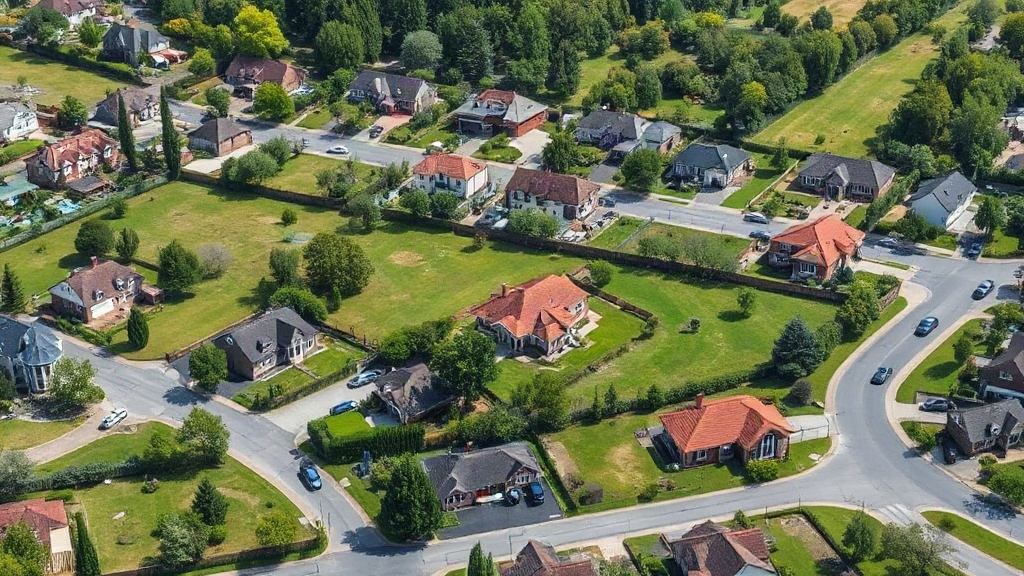
Residential lots have moved from a background player to the center of the housing conversation. Builders need finished lots to keep pace with demand, buyers want more choice in where they live, and institutional capital is increasingly eager to fund the land pipeline that makes it all possible. Recent headlines show just how many directions this market is moving at once.
Institutional Money Is Flowing Into Lot Development
In early November, Wafra and Hunt Companies announced the launch of Strata Land Partners, a new platform built around roughly 1,300 residential lots. The same week, Starwood unveiled a residential land joint venture reportedly targeting around $1 billion in annual originations.
These announcements point to a clear trend. Large investors see finished and near-finished lots as a strategic way to participate in housing without carrying the full risk of vertical construction. Homebuilders, for their part, have steadily shifted toward "land-light" strategies, preferring to option or purchase lots from third-party developers rather than hold large land inventories on their balance sheets. That shift creates an opening for well-capitalized partners who can finance horizontal development: grading, utilities, roads, and entitlements.
Why Lots Are the Bottleneck
Housing supply is constrained by more than construction costs. Before a single home goes up, a parcel must be zoned, platted, serviced with water and sewer, and approved through local review. Each step takes time and money, and delays ripple through to final home prices.
Finished lots now account for a significant share of a new home's total cost. In many markets, lot costs have climbed faster than construction costs, which is why builders and investors alike are paying close attention to land supply. Anyone who can reliably deliver entitled, ready-to-build lots holds a valuable position.
Small-Scale Projects Matter Too
Not every lot story involves billion-dollar platforms. In Ellsworth, Maine, a local logging family recently proposed an 11-lot residential subdivision. Projects like this illustrate how smaller landowners are responding to housing pressure, especially in communities where demand has outpaced available inventory.
Small subdivisions often face a different set of hurdles than large master-planned communities. Planning board reviews, road standards, wetlands considerations, and neighbor concerns can all shape the outcome. Yet they also add housing in a measured way that fits existing community character, and they give long-time landowners a path to put family property to productive use.
What Buyers and Landowners Should Consider
Whether you're purchasing a lot to build a custom home or thinking about subdividing land you already own, a few fundamentals apply:
- Confirm zoning and permitted uses. Setbacks, minimum lot sizes, and density rules determine what you can actually build. - Verify utility access. Connecting to municipal water and sewer is very different from drilling a well and installing a septic system, both in cost and in timeline. - Check soils and topography. Site conditions can add significant expense for foundations, drainage, and driveways. - Review easements and covenants. Deed restrictions and HOA rules may limit design choices or timelines. - Budget for the unexpected. Impact fees, survey costs, and engineering studies can add up quickly.
What to Watch Next
Several factors will influence the lot market going forward. Interest rate movements affect both builder appetite and the cost of development financing. Local governments continue to experiment with zoning reform, from smaller minimum lot sizes to streamlined approvals, which could unlock more buildable parcels. Meanwhile, the growing presence of institutional platforms may bring more standardized, scalable lot supply to high-growth regions.
For builders, investors, and individual landowners alike, the message is consistent: land is where housing begins. The players who understand entitlement, infrastructure, and local demand are best positioned to turn raw acreage into homes, and the current wave of new partnerships suggests that confidence in that opportunity remains strong.