Lot Spruce investment insight
Residential Lots in Demand: What Buyers and Investors Need to Know Before Buying Land
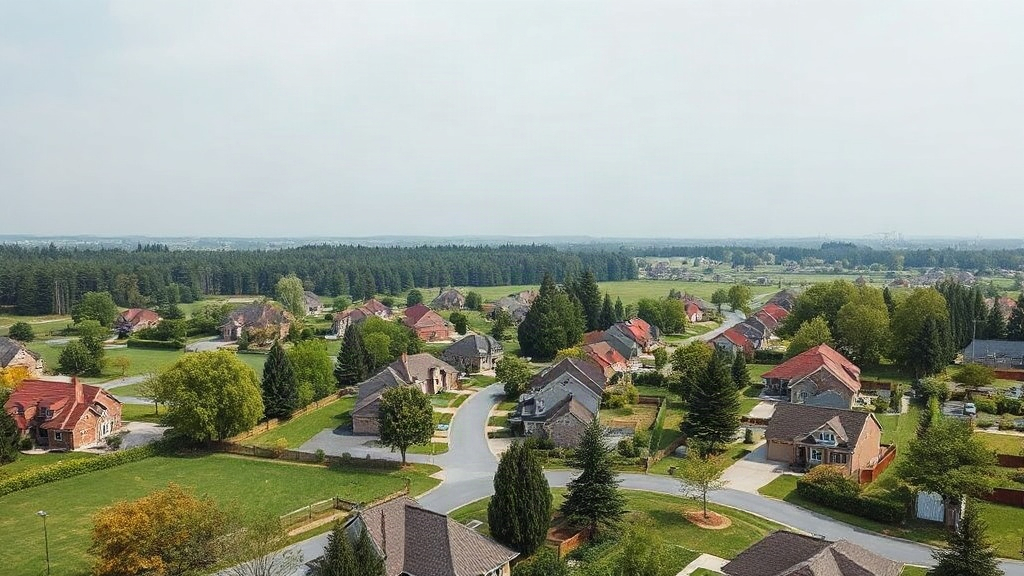
Residential lots have moved to the center of the housing conversation. With construction costs still high and existing homes in tight supply in many markets, the humble parcel of land is where much of the next wave of housing, and a lot of investor attention, is taking shape.
Why Capital Is Flowing Toward Land
Recent headlines show how seriously institutional players are taking the land side of the housing equation. Starwood and Trez have launched a joint venture focused on residential land financing, a sign that private capital sees opportunity in funding the earliest, most capital-intensive stage of development. Traditional banks have grown cautious about lending against raw or partially entitled land, and that gap is exactly what alternative lenders are stepping in to fill.
Land developers are also showing financial strength. Genesis Land recently announced a special dividend alongside its third-quarter results, a reminder that well-positioned lot developers can generate meaningful cash when they bring finished lots to a market with steady demand.
For everyday buyers and builders, these moves point to the same conclusion: lots are a strategic asset, not just a blank canvas.
What Buyers Should Know Before Purchasing a Lot
Buying a residential lot can be rewarding, but it carries risks that a standard home purchase does not. A thorough checklist protects both your budget and your timeline.
- Zoning and permitted use: Confirm the lot is zoned for the type of home you want, including setbacks, height limits, and rules on accessory dwellings. - Utilities and access: Find out whether water, sewer, electricity, and gas are at the property line. Extending services or installing a septic system and well can add tens of thousands to the budget. - Soil and topography: A geotechnical report can reveal drainage issues, poor soil, or slopes that call for expensive foundation work. - Flood and environmental risk: Check flood maps, wetland designations, and any conservation restrictions. - Easements and covenants: Utility easements, shared driveways, and homeowners association rules can limit where and how you build. - Impact fees and permitting costs: Local governments often charge fees that vary widely, so ask for a full schedule early.
Finished Lots vs. Raw Land
Not all lots are equal. A finished lot in an established subdivision typically has roads, utilities, and approvals in place, so you can usually start building quickly. Raw or partially entitled land costs less up front, but it brings uncertainty around approvals, infrastructure, and carrying costs.
Builders tend to favor finished lots because predictability protects margins. Individual buyers often prefer them for the same reason, even if the sticker price is higher. Raw land suits experienced investors who can absorb delays and navigate the entitlement process.
Financing a Lot Purchase
Lot loans usually differ from mortgages. Lenders often require larger down payments, charge higher interest rates, and offer shorter terms because there is no structure securing the loan. If you plan to build, a construction-to-permanent loan can roll the land purchase and construction into a single financing package, simplifying closing costs and paperwork.
The growing presence of private and institutional lenders in land finance may widen options for developers over time, particularly for projects that struggle to fit bank underwriting. Buyers should still compare terms carefully, paying attention to interest-only periods, extension options, and prepayment penalties.
Where Lot Values Are Headed
Several forces continue to shape lot pricing: population growth in affordable regions, limited developable land near job centers, rising infrastructure costs, and local policies on density. In markets where entitlement is slow, finished lots tend to hold value well. Areas with ample land and streamlined approvals may see more competition and steadier prices.
Whichever market you're eyeing, due diligence is the best investment you can make. Work with a local real estate agent who knows land, hire a surveyor, speak with the planning department, and get builder estimates before closing. A well-chosen lot can anchor a dream home or a long-term investment, and a careless purchase can quickly become an expensive lesson.